
Home/ Blog / Why Financial Institutions Should Automate and Integrate Compliance Management System?
Financial institutions are challenged with the never-ending flow of regulatory changes and the use of multiple tasks and systems that lend themselves to human error if not handled with immaculate care and immeasurable attention. Effective compliance management requires financial institutions to automate and integrate their compliance management system. Financial institutions also need to instill a culture that promotes collaboration and communication across multiple functions, people, and views automated and integrated compliance management as a continuously improving process.
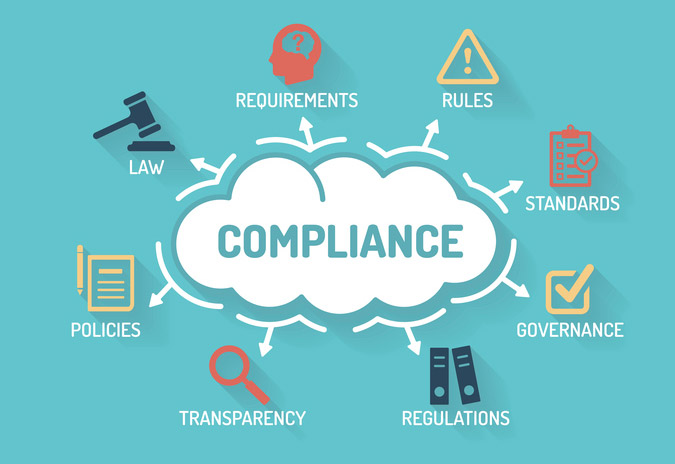
In order to thrive successfully in today’s world, financial institutions need to have everything from regulatory change management, risk management, audit management, policy and procedure management, compliance automation, performance management, a reliable training system, all the way to connection with compliance experts.
This vast amount of system requirements makes it extremely difficult to focus on that final destination of company goals. In order to truly succeed and focus on the objectives that the company was originally created to complete, an automated and integrated compliance management system is necessary.
Automated and integrated Compliance Management System enhances an organizations GRC capabilities and revolutionizes businesses by providing insight, intelligence and integrity. It brings people together to manage toward common goals through common processes while sharing resources and coordinating plans.
360factors’ ABA endorsed- Compliance Management Solution is a next-generation, cloud-based, highly-integrated solution for managing governance, risk and compliance (GRC) across an organization. It is easy to use, quick to deploy and has a low total cost of ownership to help reduce their clients’ efforts in managing their compliance and regulatory requirements. Incorporating artificial intelligence (AI) and natural language processing (NLP) technology, Predict360 helps automate and reduce the effort involved in managing constantly-changing regulatory compliance requirements.
About the Company
360factors, Inc. (Austin, TX) helps companies improve business performance by reducing risk and ensuring compliance. Predict360, its flagship software product, vertically integrates regulations and requirements, policies and procedures management, risks and controls, audit management and inspections, and on-line training and qualifications, in a single cloud-based platform powered by artificial intelligence.
Predict360 helps banks and financial services firms drive businesses meet all their governance, risk and compliance functions. It increases efficiencies, reduces costs and improves quality for organizations managing regulatory changes, operational risks, compliance, and policies and procedures.
Remain up-to-date on industry news / updates through our Twitter & Linkedin profiles.

Request a Demo
Complete the form below and our business team will be in touch to schedule a product demo.
By clicking ‘SUBMIT’ you agree to our Privacy Policy.
Stay Informed About Upcoming Webinars & Events!