
Home/ Blog / How Regulatory Change Impacts the Insurance Sector
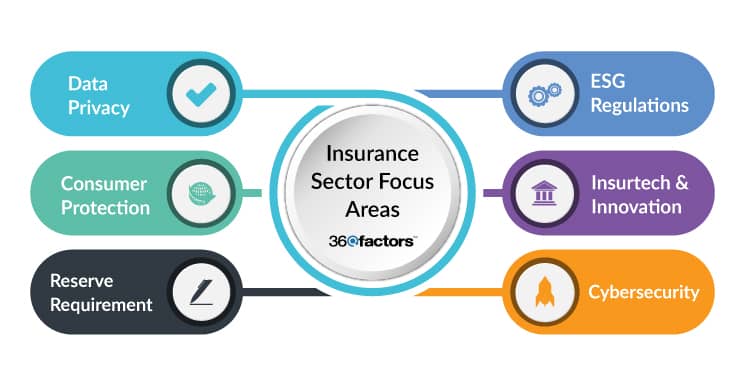
The insurance industry is facing a period of profound transformation. Regulatory bodies are taking a more active role in shaping the future of insurance through a multifaceted lens encompassing environmental, technological, consumer-centric, and financial considerations.
Read on to understand the regulators’ major areas of focus for the sector, and what insurance companies can do to turn these challenges into opportunities for growth. Here is an overview of the current impact:
| Focus Area | Impact on U.S. Insurers |
|---|---|
| Environmental, Social, and Governance (ESG) | Insurers must assess and disclose their environmental impact across operations and investment portfolios. |
| Insurtech and Innovation | Regulators are streamlining approval processes for innovative insurance products and allowing controlled “sandbox” testing of new technologies to encourage tech-driven solutions. |
| Cybersecurity and Data Privacy | Strengthened data protection laws require insurers to handle customer data securely and transparently, obtaining explicit customer consent for data use. |
| Scrutiny on Consumer Protection | Regulators demand clear and plain-language policy documents, so consumers fully understand coverage scope, limitations, and exclusions. |
| Capital, Reserve Requirements, and Solvency Monitoring | Regulators require insurers to maintain sufficient capital buffers to cover potential claims and withstand economic stress, bolstering financial resilience. |
| Compliance Challenges and Opportunities | Frequent regulatory changes (across federal and state levels) challenge insurers, driving investment in robust regulatory change management systems for real-time tracking. |
Environmental, Social, and Governance (ESG) Regulations
As global awareness of climate change intensifies, regulatory bodies are taking significant strides to ensure that insurance companies actively contribute to environmental sustainability.
Insurers are now required to assess and disclose their environmental impact, ranging from their own operational practices to the environmental footprint of their investment portfolios. This may look like:
- Mandating the disclosure of carbon emissions for businesses covered by the insurance firm.
- Scrutiny of social responsibilities towards the communities the insurer serves.
- Measures to ensure that insurance products cater to diverse customer needs.
Insurers must therefore adopt policies that promote social responsibility while regulators closely monitor the impact of these initiatives. This ensures effective risk management processes along with ethical decision-making frameworks.
Embracing Insurtech and Innovation
Regulators are increasingly acknowledging the role of technology. This includes:
- Enhancing efficiency
- Reducing costs
- Improving customer experiences
This support has manifested in various ways, such as streamlined approval processes for innovative products and services, encouraging insurers to test new technologies in a controlled setting, and guidance on regulatory compliance for emerging technologies like AI and predictive analytics.
Regulators are fostering collaboration between insurers and technology startups by providing guidance and support for joint ventures, partnerships, and investments. This allows insurers to leverage the innovation of startups while ensuring compliance with regulatory requirements.
Cybersecurity and Data Privacy Regulations
As insurers increasingly rely on digital platforms to collect and process data, regulatory bodies are also emphasizing data security and privacy standards. According to an IBM report, the global average cost of a data breach in 2025 is USD 4.44 million.
New legislation mandates that insurers handle customer data responsibly. These requirements demand that insurers collect, store, and process data in securely, with a heightened focus on obtaining explicit consent for data usage.
With the rising frequency and sophistication of cyberattacks, regulators are responding with severe penalties for data breaches. Insurance firms that fail to implement adequate cybersecurity measures face not only financial repercussions but also reputational damage.
Regulators are also placing greater emphasis on managing third-party risks. Insurers must conduct thorough cybersecurity assessments of their vendors and partners to ensure the overall security of their data ecosystem.
Increased Scrutiny on Consumer Protection
Regulators are placing a heightened emphasis on the clarity and comprehensibility of insurance policies. Insurers are expected to use plain language and transparent terms in policy documents to ensure that consumers fully understand the scope, limitations, and exclusions of their coverage
Additionally, to promote fair pricing practices, insurers are prevented from adding hidden costs to the policy later. Insurers are expected to provide clear information about premium calculations, additional charges, and any potential adjustments throughout the policy period.
Capital, Reserve Requirements, and Solvency Monitoring
Regulators are placing increased emphasis on the financial resilience of insurance companies. Insurers are required to maintain sufficient capital to cover potential risks, ensuring they have a robust financial foundation to honor claims and withstand adverse economic conditions.
Regulators are also scrutinizing insurance firms’ reserve requirements and risk management practices to prevent over-extension of liabilities. Adequate reserves are crucial for insurers to fulfil their obligations to policyholders, and regulators are introducing new guidelines to ensure accurate assessment and management of risks.
Compliance Challenges and Opportunities
The insurance sector faces frequent updates and changes in regulatory requirements. Staying compliant with these changes can be a significant challenge for insurance companies, especially those operating across multiple jurisdictions.
Investing in compliance management systems that are easily deployed like Predict360 Regulatory Change Management (RCM) can streamline the process of tracking regulatory changes. It provides real-time updates, automated monitoring, and centralized repositories for regulatory information, enabling insurers to stay ahead.
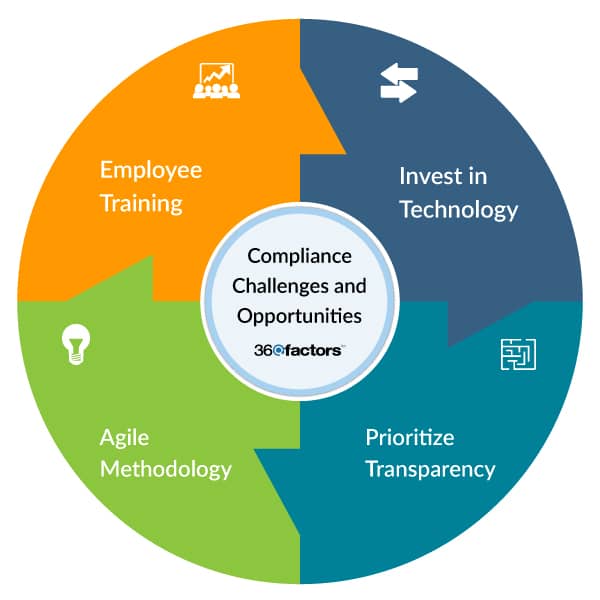
Regulatory focus on a more consumer-centric approach demands that insurers prioritize transparency, fair treatment, and clear communication with clients. Insurers can turn this challenge into an opportunity by leveraging technology, such as user-friendly interfaces and chatbots for customer queries, to enhance communication and customer experience.
Meeting stringent capital, reserve, and solvency requirements necessitates careful financial planning and risk management for insurers. Innovations in financial modeling, risk analytics, and collaborative investment strategies can help insurance firms optimize capital allocation and enhance overall financial stability.
Adapting new operational processes to comply with changing regulations can put stress on resources and disrupt previously established workflows. Remaining compliant while regulations are changing can become a perpetual challenge for insurers. However, automation, AI, and data analytics can significantly enhance operational efficiency in such an environment.
Employee training is another challenge posed by regulatory changes. Insurers must deliver comprehensive and accessible training programs to their workforce to remain compliant. This presents an opportunity to implement:
- e-learning platforms
- Interactive training modules
- Regular communication channels
The regulatory environment in the insurance industry is responding to a rapidly changing world. While compliance may present challenges, it also offers a pathway for insurers to demonstrate resilience, innovation, and a commitment to societal and environmental well-being.
The Predict360 platform stands in as an integral tool for insurers. It provides the agility and insight necessary to meet regulatory obligations and lead the industry toward a future characterized by responsible, innovative, and customer-centric practices.
Request a demo to learn more about how this tool can elevate your daily risk and compliance management.

Request a Demo
Complete the form below and our business team will be in touch to schedule a product demo.
By clicking ‘SUBMIT’ you agree to our Privacy Policy.
Stay Informed About Upcoming Webinars & Events!